
EXTERIOR MAINTENACE & REPAIR SERVICES FOR MINNESOTA HOMES
SERVING MINNEAPOLIS/ST. PAUL & SURROUNDING SUBURBS
Exterior problems can feel overwhelming, especially when you’re not sure how serious the issue is. Our role is to help you understand what’s happening, identify root causes, and recommend responsible solutions based on actual need, not pressure.
From roof leaks and flashing failures to siding damage and rotten wood, we help homeowners solve exterior problems correctly.
Family Owned & Operated
Owens Corning Preferred Contractor
Eco-Friendly Materials
ENVELOPE CARE MAINTENANCE PLAN
Signs Your Home May Need Exterior Repairs
Recurring Roof Leaks
Leaks that continue returning may indicate flashing failures, ventilation issues, or hidden deterioration beneath the roofing system.
Soft or Rotten Wood
Wood deterioration around windows, fascia, soffits, chimneys, or siding often signals long-term moisture intrusion.
Water Stains or Moisture
Interior staining, bubbling paint, or damp areas may indicate hidden exterior failures.
Damaged or Loose Siding
Cracked, warped, or detached siding can expose the home to moisture and structural deterioration.
Ice Dam or Winter Damage
Minnesota’s freeze-thaw cycles can create recurring moisture problems when ventilation and insulation systems are not functioning properly.
Common Exterior Repair Services
Roof Leak Repairs
• Flashing failures
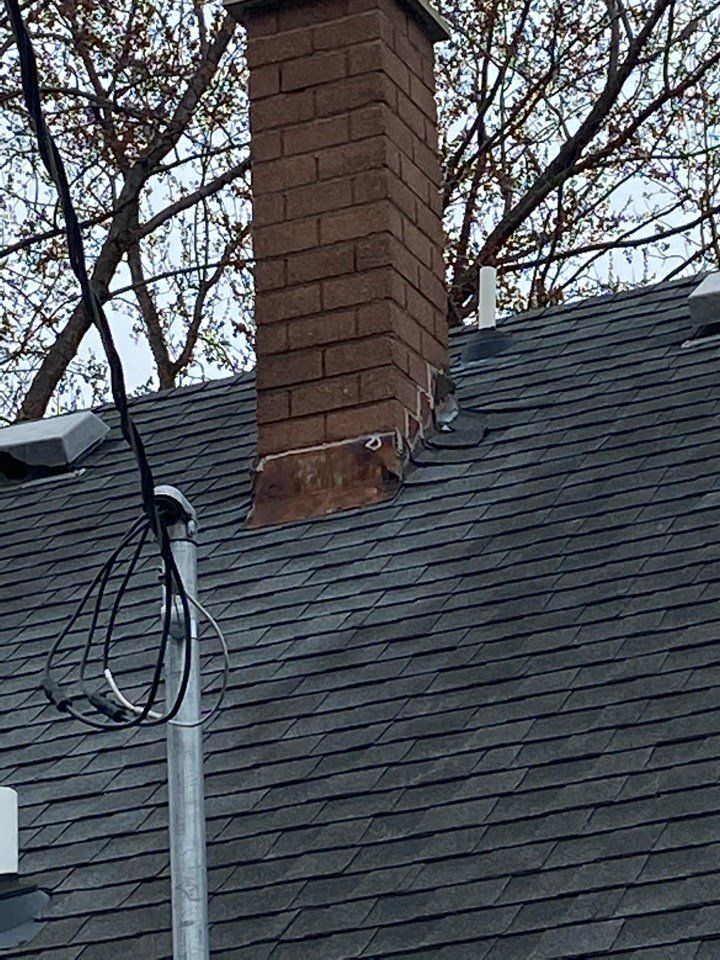
• Chimney leaks
• Pipe penetrations
• Recurring leak diagnosis
Flashing Repairs
• Roof-to-wall transitions
• Chimney flashing
• Step flashing
• Water management corrections
Soffit & Fascia Repairs
• Rotten wood replacement
• Moisture-related deterioration
• Ventilation-related failures
Siding Repairs
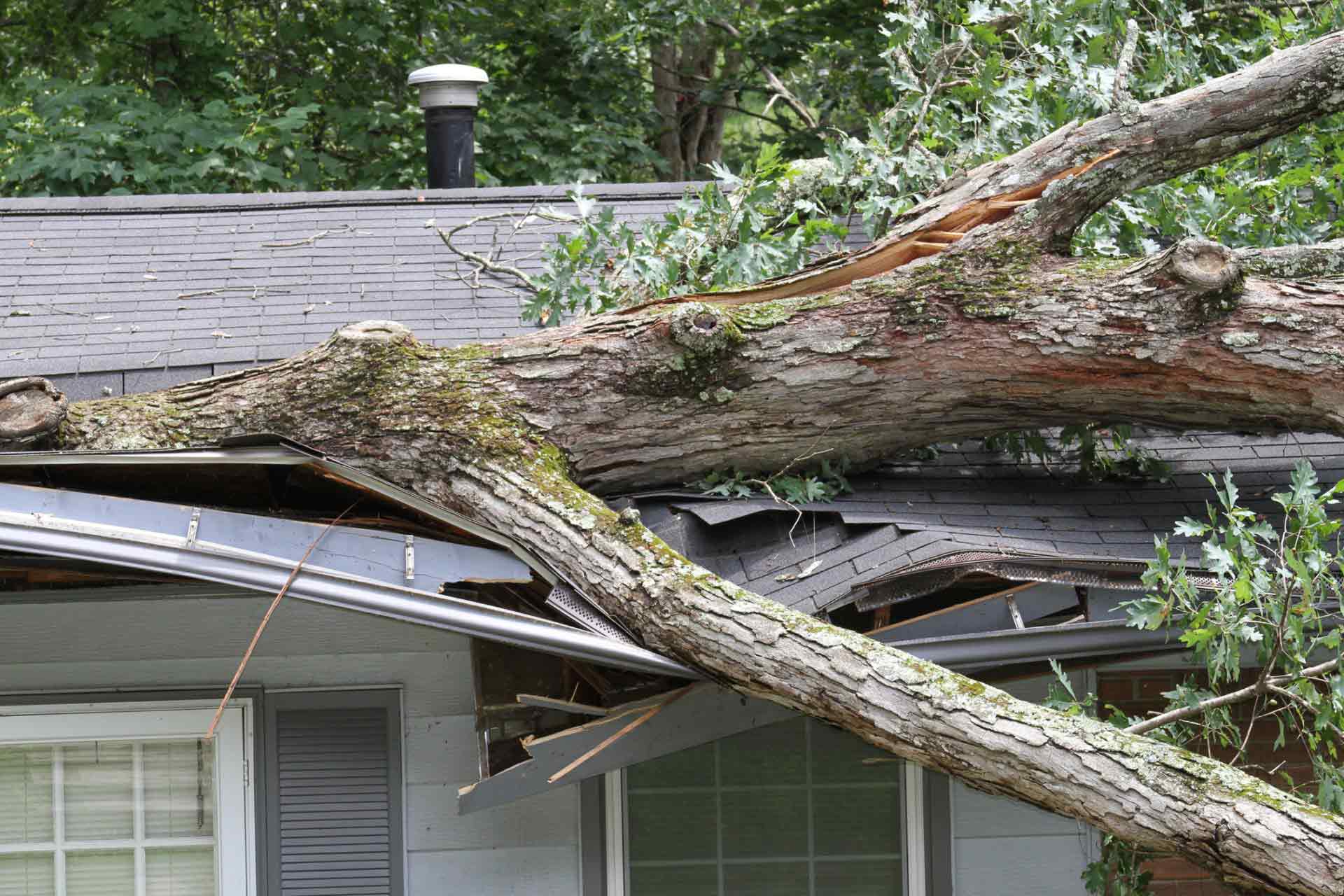
• Storm-related siding damage
• Loose or warped siding
• Moisture intrusion behind siding
Rotten Wood Replacement
• Trim deterioration
• Hidden water damage
• Structural carpentry corrections
Ventilation Corrections
• Attic airflow issues
• Moisture buildup
• Ice dam contributors
Why Proper Diagnosis Matters
Many exterior problems are symptoms of larger underlying issues involving moisture intrusion, ventilation deficiencies, flashing failures, or structural deterioration.
Simply repairing visible damage without addressing root causes can lead to recurring problems and more costly repairs over time.
Twin City Roofing Construction Specialists’ construction experience allows us to evaluate how exterior systems work together so repairs are completed responsibly rather than cosmetically.
AI-Assisted Exterior Evaluations
We use modern inspection technology, including AI-assisted photo and video analysis, to help document exterior conditions more efficiently.
These tools can help identify visible concerns, support maintenance planning, and improve communication during evaluations. Technology improves speed and documentation, but experienced construction judgment remains essential.
Support for Realtors, Buyers & Sellers
We also help Realtors and homeowners evaluate exterior concerns during real estate transactions.
When inspection reports raise questions about roofing, siding, moisture damage, or deferred maintenance, we help bring clarity to the situation.
Our goal is to help all parties understand:
Repair urgency
Maintenance needs
Replacement considerations
Risk level
We help reduce uncertainty during real estate transactions by identifying concerns early and distinguishing between repair, maintenance, and replacement issues before they become deal-breakers at the closing table or what many realtors call closer-killers.
Why Maintenance Matters – A Repair Today Can Prevent a Major Project Tomorrow
Many costly exterior failures begin as small issues that go unnoticed or are deferred for too long.
A minor flashing failure, small siding gap, clogged drainage path, or ventilation imbalance can eventually lead to moisture intrusion, rot, insulation damage, or structural deterioration.
Our maintenance-first mindset helps homeowners identify concerns early so repairs can be planned proactively rather than reactively.
Not every issue requires immediate replacement. Many problems can be monitored, maintained, or repaired before they become major expenses.
TCR Exterior Shield™ Membership
Some homeowners want more than one-time repairs. They want ongoing guidance, proactive maintenance, and the confidence of knowing someone is helping monitor and protect their home over time.
TCR Exterior Shield™
is our proactive exterior maintenance membership designed for Minnesota homeowners who want to stay ahead of costly repairs through regular evaluations, early issue detection, and trusted long-term planning.
Membership benefits may include:
- Recurring exterior evaluations and condition tracking
- Early issue detection before problems escalate
- Maintenance prioritization and budgeting guidance
- AI-assisted property assessment reporting
- Preferred scheduling and priority storm response
- Reduced risk of major unexpected repairs
Many of our best client relationships begin with a single repair.
TCR Exterior Shield™
helps transform reactive repairs into proactive home protection, giving homeowners greater clarity, confidence, and long-term peace of mind.
Why Homeowners Stay With Us
Many of our best client relationships begin with a single repair.
What starts as a leak investigation, siding repair, or maintenance concern often grows into a long-term relationship built on trust, communication, and consistent guidance. Our goal is not simply to complete one repair. It’s to become a trusted resource homeowners can rely on as their home ages and needs change.
Repair vs Replacement
- when repairs are appropriate
- when replacement becomes more cost-effective
- how hidden damage impacts recommendations
- importance of honest evaluation
When Repairs Reveal Larger Structural Problems
Some exterior problems extend beyond isolated repairs and may involve hidden framing damage, long-term moisture intrusion, or structural deterioration.
When deeper corrective work is necessary, Twin City Roofing’s construction background allows us to properly evaluate and address issues that many standard repair contractors are not equipped to handle.
Home Services & Repairs FAQs
Why does my roof keep leaking after repairs?
Recurring leaks usually mean the original source was never properly diagnosed. Often, water travels behind exterior materials before showing up inside. A generic company might just patch the surface shingle, but our construction specialists evaluate how your roofing, siding, flashing, insulation, and ventilation systems interact to locate and fix the root cause.
At Twin City Roofing, our construction specialists evaluate how roofing, siding, flashing, insulation, and ventilation systems work together to help identify underlying causes rather than simply repairing visible symptoms
I’m worried I’ll be told I need a full replacement. What if I just want honest advice?
That is a completely valid fear in today's market. Our role is to give you clarity, not a high-pressure sales pitch. Sometimes an isolated repair is all you need; other times, a condition just needs to be monitored so you can plan ahead. We give you honest guidance based on actual need so you can protect your home on your timeline.
In some cases, soffit and fascia damage may indicate larger underlying issues involving roof drainage, ventilation deficiencies, or hidden moisture intrusion behind exterior materials.
At Twin City Roofing, our construction specialists evaluate how roofing, flashing, ventilation, gutters, and exterior trim systems work together to help identify the root cause of deterioration rather than simply replacing damaged wood cosmetically
What causes soffit and fascia rot?
Soffit and fascia rot is typically caused by prolonged moisture exposure from improper flashing, failed sealants, clogged gutters, or inadequate attic ventilation. In Minnesota's extreme freeze-thaw cycles, trapped heat and moisture accelerate this wood rot. We don't just cosmetically replace the damaged trim; we fix the underlying system failure causing it.
However, prolonged deferred maintenance or repeated moisture exposure can allow deterioration to spread into concealed framing, insulation, or structural components over time. Proper evaluation is important to determine whether the damage is isolated or part of a larger moisture intrusion issue.
At Twin City Roofing, our construction
specialists evaluate both the visible damage and the underlying cause to help ensure repairs address the source of the problem rather than simply covering over deteriorated materials.
Can rotten exterior wood be repaired?
Yes. Deteriorated soffits, fascia, trim, siding, or roof decking can often be selectively repaired or replaced without forcing you into a massive replacement project. However, if moisture has breached the outer layer, it can spread into concealed structural framing. We inspect both the surface and the underlying structure to ensure your fix is long-term.
How do I know if exterior damage is structural?
While some damage is purely cosmetic, signs like sagging rooflines, shifting exterior components, widespread rot, or heavy water intrusion indicate underlying structural framing issues. Because of our deep construction background, we know how to evaluate what's happening beneath the surface and, when necessary, work alongside licensed engineers to keep your home safe.
Learn more about our Residential Construction & Structural Repair Services.
Is it better to repair or replace damaged siding?
It depends entirely on the age of your siding, the extent of the damage, and whether moisture has penetrated behind it. If the damage is isolated, a localized repair is highly cost-effective. We evaluate both the visible siding and the underlying moisture barrier to help you determine the most responsible and practical solution.
In Minnesota’s climate, ventilation deficiencies are often most noticeable during extreme seasonal weather cycles. Poor attic airflow combined with inadequate insulation can contribute to ice dam formation, excessive heat buildup, delamination of roof sheathing, premature shingle aging, soffit and fascia deterioration, peeling paint, and other moisture-related exterior damage. In some cases, trapped moisture may also
affect roof decking, siding systems, and other concealed structural components.
At Twin City Roofing, our construction specialists evaluate how roofing, insulation, ventilation, and exterior systems work together to help identify underlying causes of moisture-related damage rather than simply addressing visible symptoms alone.
Can improper ventilation cause exterior damage?
Absolutely. Poor attic airflow combined with inadequate insulation causes excessive heat and moisture build-up. In Minnesota, this doesn't just ruin your indoor air quality. It leads to devastating winter ice dams, premature shingle aging, delaminated roof sheathing, and peeling exterior paint.
What happens if exterior damage is ignored?
Exterior damage rarely improves on its own. A minor flashing failure or a small siding gap will eventually allow water to rot your concealed framing and ruin your insulation. Not every issue requires an immediate emergency fix, but addressing small repairs early prevents massive, budget-breaking projects down the road.
Can small repairs prevent larger structural issues?
In many cases, yes, small repairs can help prevent larger structural issues when problems are properly diagnosed and addressed early. Minor issues involving flashing, sealants, siding, soffits, fascia, roofing materials, or ventilation can allow moisture intrusion over time if left uncorrected, eventually leading to concealed deterioration and more extensive structural damage.
However, there are situations where underlying structural issues may already exist and the visible exterior damage is simply the first noticeable sign of a larger problem developing behind the surface materials. Proper evaluation is important to determine whether the damage is isolated or part of a broader moisture or structural concern.
At Twin City Roofing Construction Specialists, our construction specialists evaluate how exterior systems work together to help identify underlying causes and recommend repair solutions that protect the long-term integrity of the home rather than simply addressing visible symptoms alone.















Providing Exterior Maintenance & Repairs For Homeowners In The Following Cities:
- Andover
- Anoka
- Apple Valley
- Arden Hills
- Blaine
- Bloomington
- Brooklyn Center
- Brooklyn Park
- Burnsville
- Champlin
- Chanhassen
- Chaska
- Circle Pines
- Columbia Heights
- Coon Rapids
- Corcoran
- Cottage Grove
- Crystal
- Eagan
- Eden Prairie
- Edina
- Excelsior
- Falcon Heights
- Farmington
- Forest Lake
- Fridley
- Gem Lake
- Golden Valley
- Hopkins
- Inver Grove Heights
- Lake Elmo
- Lakeville
- Lauderdale
- Little Canada
- Maple Grove
- Maple Plain
- Maplewood
- Mendota Heights
- Minneapolis
- Minnetonka
- Minnetonka Beach
- Mounds View
- New Brighton
- New Hope
- Newport
- North Oaks
- North St. Paul
- Oakdale
- Osseo
- Plymouth
- Prior Lake
- Richfield
- Robbinsdale
- Rockford
- Rogers
- Rosemount
- Roseville
- St. Anthony
- St. Louis Park
- St. Paul
- St. Paul Park
- Savage
- Shakopee
- South St. Paul
- Spring Lake Park
- Spring Park
- Stillwater
- Sunfish Lake
- Tonka Bay
- Vadnais Heights
- Waconia
- Wayzata
- West St. Paul
- White Bear Lake
- Woodbury