
Minnesota Hail Damage Claims: When Does the Insurance Timeline Start?
Every summer, Minnesota storms leave thousands of homeowners wondering the same thing:
"How long do I have to decide whether I want to file an insurance claim?"
Key Takeaway:
For many Minnesota hail and wind claims, insurance timelines are tied to the storm date not the day damage is discovered. Document the Date of Loss, inspect your property, and confirm deadlines with your insurance carrier early.
Quick Answer: When Does the Insurance Timeline Start?
For many Minnesota hail and wind claims, the key date is the Date of Loss: the date the storm occurred. That date may affect claim reporting, documentation, repair timing, and replacement cost benefits. Because both Minnesota law and individual policy language can play a role, the safest approach is to document the storm date, inspect your property, and confirm applicable deadlines directly with your insurance carrier. Many homeowners assume they have plenty of time. After all, if the roof is not leaking and there are no shingles in the yard, what is the rush? The rush is that insurance timelines often begin before damage becomes obvious.
The Clock Starts on the Date of Loss
In practical terms, the Date of Loss usually means the storm date—not the day damage is discovered, the day a contractor inspects the property, or the day repairs begin. For example, homeowners affected by the June 19, 2026 hail event that impacted portions of the northern and eastern Twin Cities metro, including areas surrounding and within Saint Paul, would generally use June 19, 2026 as the Date of Loss associated with that storm event. That is why waiting until the following spring because “nothing seemed wrong” can sometimes leave homeowners with fewer options than they expected.
Many Homeowners Don't Realize They Have Storm Damage
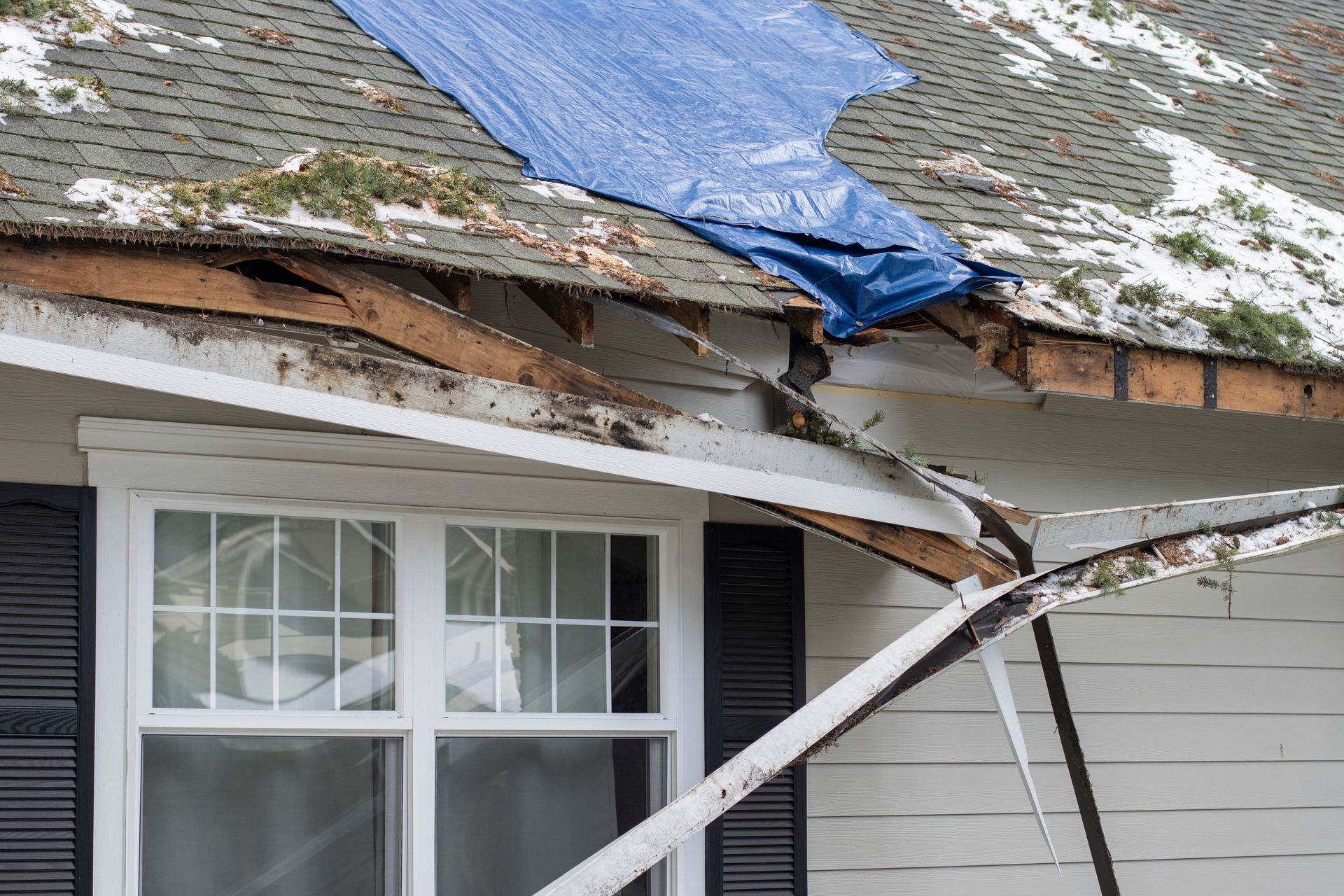
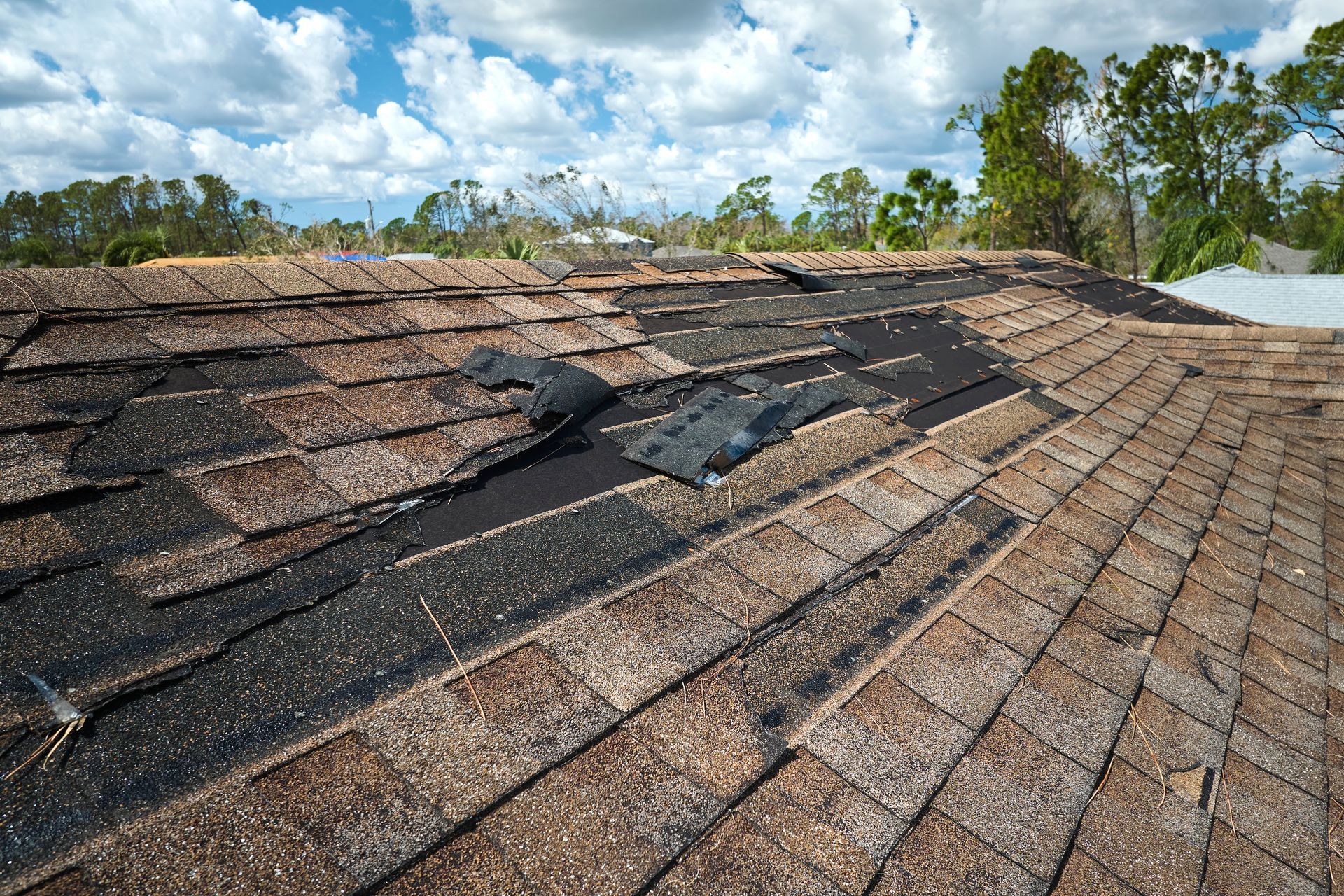
One of the challenges with hail and wind damage is that it often isn't obvious from the ground. Unlike a broken window or a tree through a roof, storm damage can remain hidden for weeks or even months after an event.
Many homeowners also delay taking a closer look simply because life gets busy, the roof isn't leaking, or Minnesota winter arrives before they realize there may be anything worth investigating.
In most cases, homeowners first become aware that their neighborhood may have been affected when:
• Contractors begin knocking on doors after a storm.
• Yard signs start appearing nearby.
• Flyers or mailers arrive referencing a recent weather event.
• Vehicles, air conditioning equipment, patio furniture, grills, or other exterior items show signs of hail impacts.
• Multiple homes in the neighborhood begin replacing roofs, siding, gutters, or other exterior components.
None of those things automatically mean your home has sustained damage. Neighborhood activity isn't proof of damage, but it can be an indication that your area experienced weather conditions severe enough to justify gathering more information.
Why Deadlines Matter After a Storm
Insurance timelines can include several different steps, and they are not always tied to the same date. A policy may address when to report damage, what documentation is needed, when repairs should be completed, and how replacement cost benefits are handled. Minnesota law and individual insurance policies can both affect claim timelines and certain legal rights following a loss. You do not need to become an insurance expert, but it is helpful to know that timing and documentation requirements are not always the same from one policy to another. That is why it is wise to ask your carrier early which deadlines apply to your specific claim, instead of assuming every step follows the same timeline.
Not sure whether your home was affected? Schedule a documented Storm Damage Inspection in the Twin Cities Metro to help you understand what, if anything, changed after the storm.
Filing a Claim Is Not the Same as Completing Repairs
This is one of the most common misunderstandings we encounter.
There are often two separate timelines involved after storm damage occurs:
1. Reporting the loss or filing the claim.
2. Completing the repairs after the claim has been resolved.
Years ago, it was relatively common for insurance carriers to allow homeowners additional time to complete approved repairs. Today, those extended completion windows appear to be less common and vary significantly between carriers and policies.
If your claim is approved, ask your carrier:
• How long do I have to complete repairs?
• Are replacement cost benefits subject to expiration dates?
• Are extensions available if weather delays construction?
• What documentation will be required when repairs are complete?
Getting answers early can prevent surprises later.
Why a Year Can Go By Faster Than Expected
From the outside, a year can sound like plenty of time.
In reality, storm restoration projects often involve delays that are outside of a homeowner’s control.
Claim Reviews and Reinspections
Some claims move quickly. Others involve additional inspections, re-inspections, engineering reviews, or questions regarding damage scope and valuation. Those processes can sometimes take months to resolve before repairs can even be scheduled.
Scope and Pricing Changes
Construction projects occasionally uncover additional damage or building code requirements that were not visible during an initial inspection.
Pricing can also change between the date of a storm and the date construction begins.
Some insurance carriers account for changing market conditions differently than others, which is why homeowners should discuss pricing questions directly with their carrier.
This is also one reason many contractors limit the validity period of retail pricing proposals.
Minnesota Winters Don't Stop the Calendar
Minnesota homeowners face a challenge that many parts of the country simply don't experience.
A storm that occurs in late summer or fall can quickly be followed by freezing temperatures, snow accumulation, ice, and weather conditions that delay portions of exterior construction work.
The insurance timeline may continue moving even when construction schedules slow down for the season.
What If You Disagree With the Insurance Company's Findings?
Occasionally homeowners and insurance carriers may disagree regarding claim scope, valuation, or other claim-related issues.
Many insurance policies contain provisions intended to address claim disagreements or valuation questions.
Homeowners should review their policy language and discuss available options directly with their insurance carrier or other appropriately licensed professionals.
Industry Conversations Are Ongoing
As a board member of the Contractors Association of Minnesota, I have seen firsthand the conversations taking place around storm claim timelines and how they intersect with Minnesota winters, labor availability, claim resolution timelines, and large-scale weather events.
Many professionals throughout the restoration and insurance industries recognize that storm recovery in Minnesota often looks very different than storm recovery in warmer climates.
Those discussions continue, but homeowners should make decisions based on the requirements that apply to their policy today rather than changes that may occur in the future.
What We Recommend After a Major Storm
After a significant hail or wind event:
• Document the date of the storm.
• Have your property professionally inspected, even if no leaks are present.
• Verify claim reporting requirements directly with your insurance carrier.
• Maintain photographs and documentation of your home's condition.
• Make decisions based on information rather than assumptions.
Waiting rarely creates additional options.
Good documentation often does.
FAQ: Minnesota Storm Claim Timelines
When does the insurance timeline start after hail damage?
In many cases, the timeline starts on the Date of Loss, which is the date the storm occurred.
Is filing a claim the same as completing repairs?
No. Reporting damage, providing documentation, completing repairs, and receiving replacement cost benefits may each have their own timing requirements.
Why do Minnesota statutes matter for hail claims?
Minnesota law helps set part of the timing framework for certain hail and homeowner’s insurance issues. Homeowners do not need to memorize the statutes, but they should know that important deadlines can be tied to the storm date.
Can hail damage be hidden?
Yes. Hail and wind damage may not be visible from the ground and may not cause an immediate leak.
Summary: What Minnesota Homeowners Should Remember
After a hail or windstorm, the most important step is not rushing into a claim or assuming everything is fine. It is understanding the timeline, documenting the condition of your home, and getting clear answers before important details are lost.
• The Date of Loss is usually the storm date, not the date damage is discovered.
• Hail and wind damage may not be visible from the ground.
• Insurance timelines can involve reporting, documentation, repair completion, and replacement cost requirements.
• Minnesota law and individual policy language can both affect timing.
• A professional inspection and good documentation can help homeowners make informed decisions.
Documentation First. Decisions Second.
At Twin City Roofing Construction Specialists, we believe homeowners deserve accurate information before making important decisions.
Our exterior assessments include photographs, documentation, and an honest evaluation of your home's condition. If we don't find storm-related damage, we'll tell you. If we do identify concerns, you'll have the information you need to discuss your options with confidence.
Whether repairs are needed immediately, monitored over time, or simply documented for future reference, good decisions begin with good information.
If your home may have been affected by a recent storm, consider documenting its condition while the details of the event are still fresh and before valuable information becomes harder to recover.
Whether that means monitoring conditions, making repairs, or simply establishing a baseline for future comparison, good information is rarely wasted.
Schedule a Professional Storm Damage Inspection
This article is for general educational purposes and is not legal or insurance advice. Homeowners should confirm claim deadlines directly with their insurance carrier.
Minnesota Storm Recovery Guide
What Happens During a Storm Damage Inspection? A Look Inside Our Protocol
Should I File a Claim for Roof Damage? A Minnesota Homeowner's Decision Guide
How to Vet a Contractor After a Storm, and What Happens Once You Hire One