
What Is a FORTIFIED Roof?
A Minnesota Homeowner’s Guide
Minnesota homeowners are facing a new reality: roofs are aging under harsher conditions while insurance coverage continues to shrink.
Insurance carriers are tightening guidelines. Roof age restrictions are becoming more common. Deductibles for wind and hail claims are increasing and some policies no longer fully cover roof replacements after a certain point.
At the same time, our weather isn't getting any easier.
From large hail and straight-line winds to freeze-thaw cycles, ice dams, and wind-driven rain, roofing systems in Minnesota are under constant stress.
That's exactly why more homeowners are asking about FORTIFIED roofing.
Think of FORTIFIED like upgrading from a basic lock to a full security system for your home.
What Is FORTIFIED Roofing?
FORTIFIED is a voluntary construction and re-roofing standard developed by the Insurance Institute for Business & Home Safety (IBHS).
Its purpose is simple:
Build stronger, more resilient homes that are better prepared for severe weather.
Instead of stopping at minimum building code requirements, FORTIFIED focuses on strengthening the most vulnerable parts of a roofing system where failures typically start.
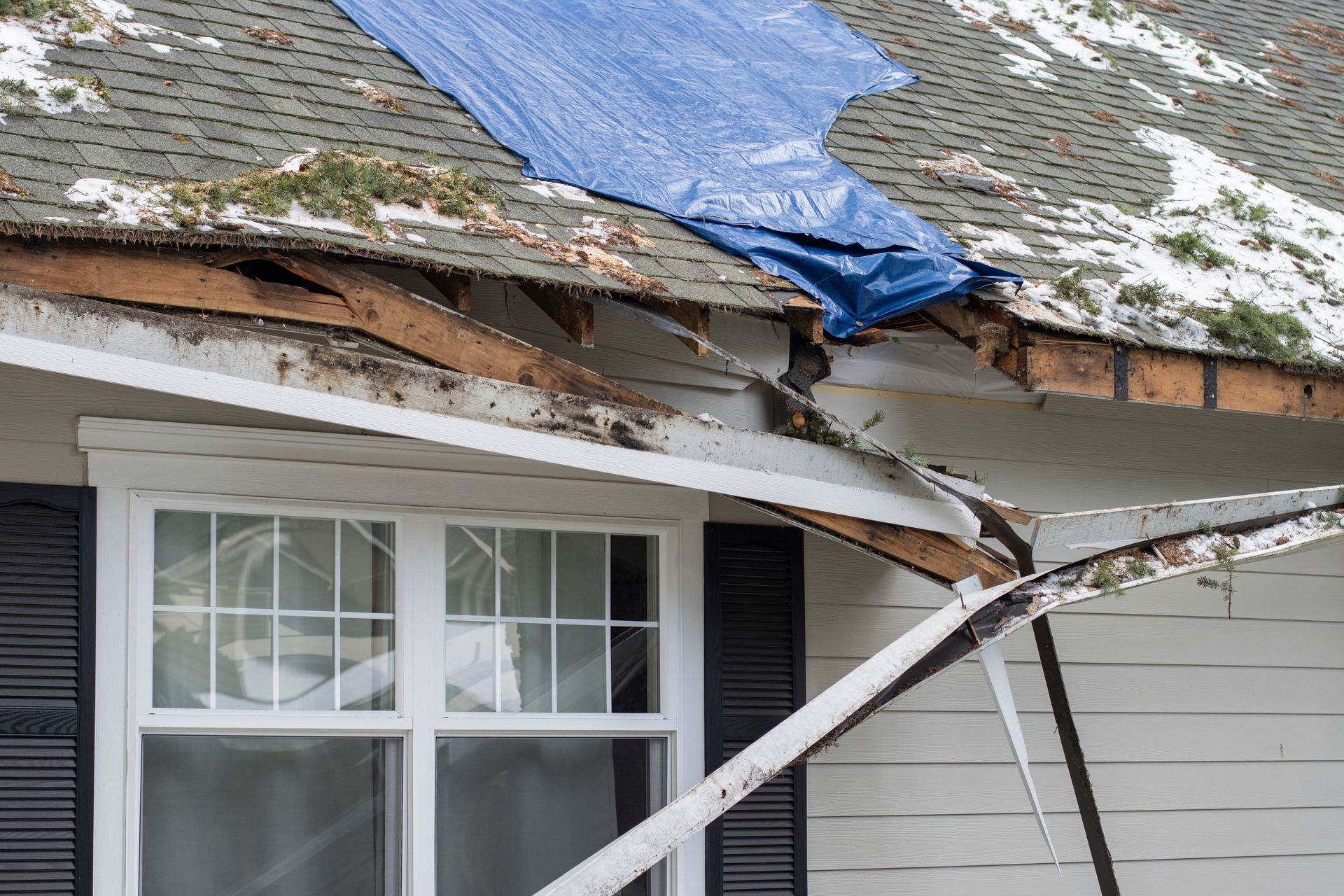
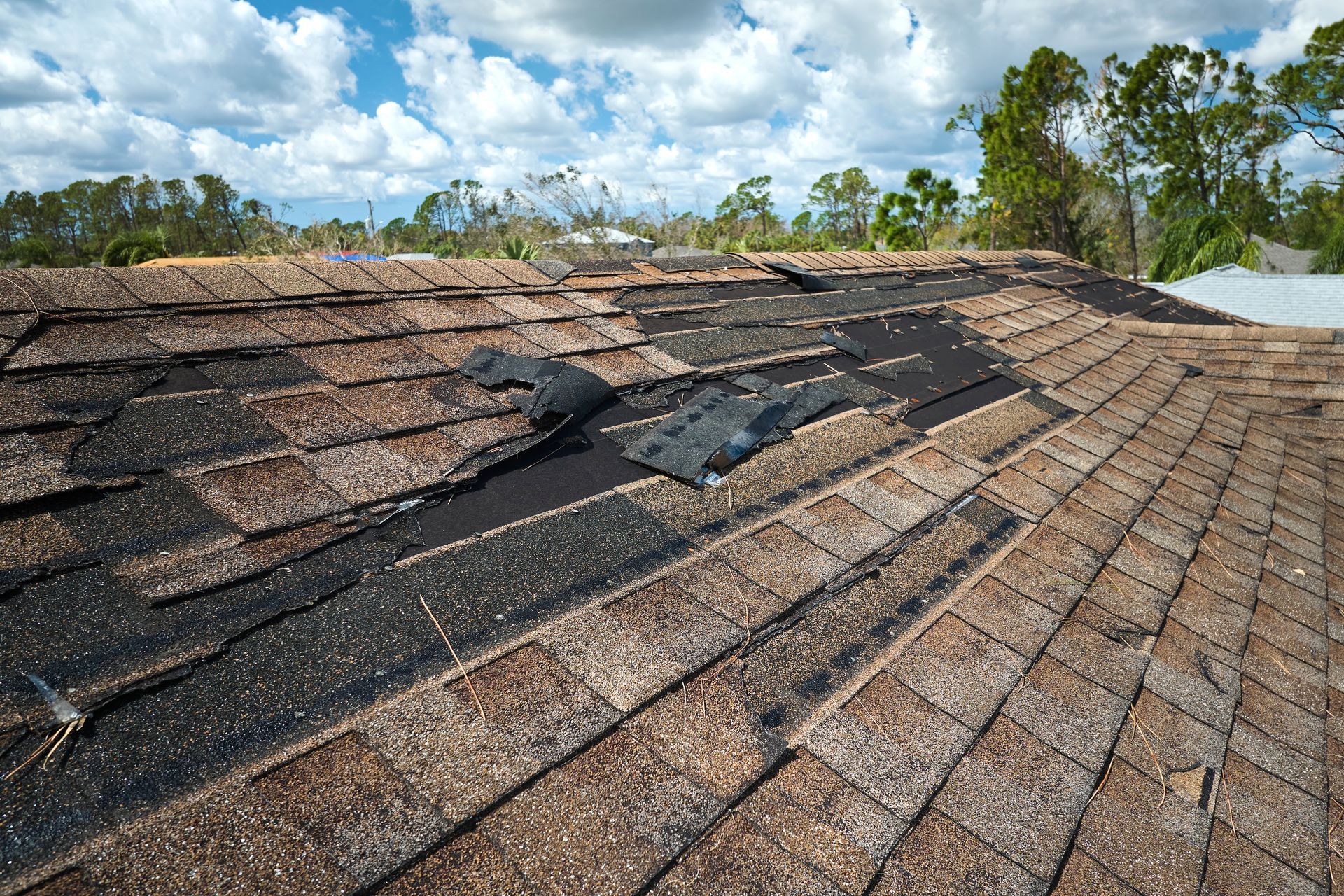
Because in real-world storms, damage usually doesn't begin with catastrophic roof failure. It begins at the weak points, often with small details:
- A lifted shingle
- A poorly sealed penetration
- A weak roof edge
From there, water intrusion can quickly turn a minor issue into major interior damage.
FORTIFIED is designed to prevent that chain reaction.
Why FORTIFIED Matters in Minnesota
Many people associate FORTIFIED with hurricane regions, but the reality is Minnesota presents its own unique challenges:
- Large hail events
- High winds and summer storms
- Ice dams and snow load
- Freeze-thaw cycles
- Wind-driven rain
These conditions expose weaknesses in traditional roofing systems.
At the same time, the insurance landscape is changing:
- Roof age limits as low as 7-14 years
- Reduced coverage on older systems
- Increased scrutiny during claims
That makes roof performance, not just age, more important than ever.
A properly built, resilience-focused system may help:
- Reduce storm damage
- Extend roof life
- Lower frequency of repairs
- Improve insurability
- Potentially qualify for insurance incentives (where available)
One quick note on that last point: Minnesota's insurance-discount requirement applies specifically to a FORTIFIED roof that includes the optional Hail Supplement, not simply any FORTIFIED roof. We'll unpack what that means and how Class 4 impact-resistant shingles fit into the picture in Parts 2 and 3.
What Makes a Roof “FORTIFIED”?
FORTIFIED isn't a product; it's a system-based approach to how a roof is installed.
That aligns closely with how we approach construction.
At Twin City Roofing Construction Specialists, we don't look at roofing in isolation; we evaluate how the entire system performs together, including ventilation, structure, and water management.
Here are some of the key differences:
1. Enhanced Roof Deck Attachment
Stronger fastening patterns improve the roof's ability to resist high winds and uplift forces.
2. Sealed Roof Deck Protection
If shingles are damaged during a storm, the sealed deck acts as a secondary barrier to prevent water intrusion.
3. Reinforced Roof Edges
Edges are one of the most vulnerable areas in wind events and FORTIFIED strengthens these critical points.
4. Critical Flashing & Penetrations
Chimneys, skylights, valleys, and roof transitions are detailed carefully to prevent leaks before they start.
Why Contractor Expertise Matters
This is where many installations fall short because applying these principles correctly requires real-world building science experience, not just following a checklist. There is one important distinction for us Minnesotans: many FORTIFIED standards were developed around coastal wind and hurricane loss data. While those principles are valuable, Minnesota homes face additional building science challenges, especially around attic ventilation, condensation control, and ice dam prevention.
That means resilience upgrades must be applied thoughtfully to avoid solving one problem while
unintentionally creating another.
As a third-generation, family-owned contractor with decades of hands-on construction experience, we
approach roofing differently.
We don't just install materials; we evaluate how your home performs as a system so improvements are
built to last.
Important: FORTIFIED Isn't Right for Every Home
This is where honest guidance matters.
FORTIFIED can be a great option, but it depends on:
- Roof design and structure
- Existing ventilation
- Insulation levels
- Budget and long-term goals
In some cases, certain upgrades may provide similar benefits without pursuing full certification.
That's why we start with education and inspection, not pressure.
Can We Help You Get FORTIFIED Certified?
Yes.
Twin City Roofing Construction Specialists can design and install roofing systems that align with FORTIFIED standards and help guide homeowners through the certification process, including coordination with required third-party verification.
FORTIFIED Contractor ID: R012203
Our role is to make the process clear, manageable, and aligned with your home, not just the standard.
The Bottom Line
A roof should do more than meet code or look good from the street.
It should:
- Protect your home during real-world storms
- Minimize risk of costly damage
- Perform reliably over time
FORTIFIED is one pathway to achieving that, but the real value comes from how the system is built and
who's installing it.
Want to See If It Makes Sense for Your Home?
If you're considering a roof replacement or simply want to understand your options, we can help you evaluate:
- Your current roof condition
- Risk factors specific to your home
- Whether FORTIFIED or targeted upgrades make sense
Our goal isn't simply to sell you a roof.
It's to help you build a more resilient home.
Protecting homes starts with informed decisions and the right construction partner.
What This Means for You
- Not all roofs are built the same
- Most failures start at small, preventable details
- FORTIFIED is one way to reduce risk but not the only way
- The right approach depends on how your home is built
Over the next three articles, we'll look at how Minnesota insurance treats FORTIFIED roofs, how FORTIFIED compares with Class 4 impact-resistant shingles, and why ventilation and insulation may be just as important as the roofing materials themselves.