
What Happens During a Storm Damage Inspection? A Look Inside Our Protocol
A professional storm damage inspection examines ten separate components of a home's exterior: roof, siding,
gutters, windows, HVAC, screens, decks, flashings, ventilation, and overall structural condition. Each component
gets a documented finding and a repair, replace, or monitor recommendation. Here's what that actually looks
like in practice.
Key Takeaway:
A storm damage inspection evaluates the whole exterior, not just the roof, because wind and hail rarely stop at the shingle line. A decision made from partial information is a decision made from a guess.
Why We Inspect the Whole Exterior, Not Just the Roof
Most homeowners call us about the roof. That makes sense; it's the most visible, most talked-about part of a
home after a storm. While most people know us as Twin City Roofing, "Construction Specialists" has always been
part of our name for a reason. Storms rarely damage just one component of a home, and our inspections reflect
that.
But hail and wind don't selectively target shingles. The same storm that damages a roof can just as easily affect
siding, window screens, gutters, or the fins on an HVAC condenser. A roof-only inspection can miss real damage
sitting a few feet away.
This is the “Evaluate” half of how we approach every job: look at the whole system first, then decide what needs
attention, rather than deciding first and looking second.
What Does a Storm Damage Inspection Include? The Ten-Point Protocol
Every storm damage inspection we perform in the Twin Cities metro covers the same ten components, in the
same order, every time:
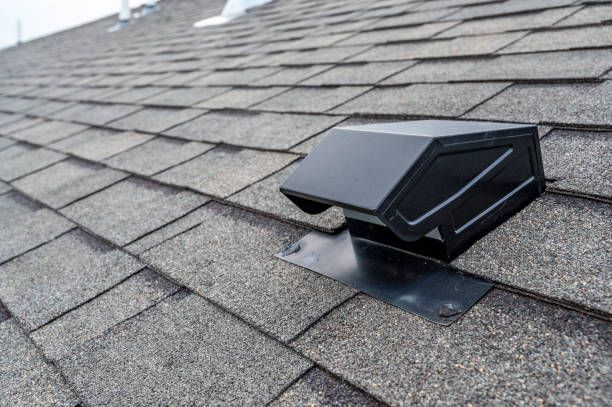
● Roof: We examine the field, ridges, valleys, and every penetration (vents, pipe boots, chimneys) for hail impact, lifted or missing shingles, and granule loss, distinguishing genuine hail bruises and punctures from foot traffic marks, mechanical marring, or normal weathering.
● Siding: Impact marks, cracking, and, on metal or vinyl products, oil-canning or denting that can be easy to miss from the ground. Vinyl siding is manufactured and tested against ASTM D3679, the industry standard covering impact strength and weathering, but that resistance diminishes as the material ages and becomes more brittle, which is why an eight-year-old and a two-year-old siding job can respond very differently to the same hailstorm. We apply the same causation-first principle here that we apply to the roof: confirming an impact is actually storm-caused, not mechanical damage or ordinary wear, before it counts as damage.
● Gutters: Dents, granule buildup inside the gutter (a strong hail indicator), and downspout function.
● Windows: Screen and frame impact, plus seal integrity around the glass. On aluminum-clad wood windows, a common style in the Twin Cities, exterior damage matters more than it looks: the aluminum cladding exists to protect a wood frame underneath, and a crack, puncture, or separated seam in that cladding can let water reach the wood, where rot can develop for months before it's visible from inside the home. A dent on cladding that's still fully sealed is typically cosmetic; a crack, puncture, or separated seam is not, which is why we look closely rather than assume all cladding damage is cosmetic.
● HVAC: Condenser fin damage, one of the most commonly overlooked forms of hail damage, since it's rarely visible from ground level.
● Screens: Porch and window screen punctures, which are a reliable indicator of hail size and severity.
● Decks: Surface and rail impact from hail and wind-blown debris.
● Flashings: Chimney, wall, and valley flashing, often the actual source of a leak long before the shingles themselves fail.
● Ventilation: Soffit, ridge, and roof vents for wind or impact damage that can compromise attic airflow.
● Structure and decking: Spot-checks of accessible decking and structural elements for signs of preexisting or storm-related issues.
Each of these gets checked, photographed, and documented on every inspection, regardless of what the
homeowner originally called about.
How We Decide: Repair, Replace, or Defer
Once every component has been evaluated, we land on one of three recommendations for each: repair, replace,
or defer (monitor and revisit later).
That decision isn't a guess. It's based on specific, checkable factors:
The first factor is whether damage is actually hail-caused. Genuine hail impacts leave a specific signature: a soft,
bruised spot you can feel under light pressure, or a puncture where the shingle's reinforcing mat has ruptured,
distributed randomly across a slope rather than clustered in one area. That's different from foot traffic marks,
mechanical marring from installation or maintenance, or ordinary weathering, all of which can look similar to an
untrained eye but tell a different story. This distinction draws on the forensic assessment methodology used by
firms like Haag Engineering, which has studied hail damage to roofing materials since the 1960s.
We also examine each directional slope separately, since wind-driven hail rarely impacts a roof evenly. A slope
facing into the storm often shows meaningfully more damage than a sheltered slope on the same roof, which
matters when deciding whether an entire roof needs attention or just one exposure.
● Shingle matching: whether the product is still available, and whether a partial repair would create a visible or manufacturer-flagged mismatch.
● Remaining service life: a repair on a four-year-old roof and a repair on a twenty-two-year-old roof are different conversations, even if the damage looks similar.
● Decking condition: issues under the surface that only become visible once shingles are pulled back.
● Code-required upgrades: things like ice-and-water shield or ventilation changes that can't be done piecemeal.
● Manufacturer warranty terms: some warranties are voided by mixing old and new material on the same slope. This is where an honest inspection earns its value: not by defaulting to the biggest job, and not by minimizing real damage to keep things simple, but by matching the recommendation to what the evidence actually supports.
This is where an honest inspection earns its value: not by defaulting to the biggest job, and not by minimizing
real damage to keep things simple, but by matching the recommendation to what the evidence actually
supports.
How This Differs From a General Home Inspection
If you've had a general home inspection before, either buying a house or as a routine checkup, it's worth
knowing this is a different service.
Under InterNACHI's Standards of Practice, the framework most general home inspectors follow, a roof is
typically reviewed from the ground or the eaves. Walking the roof surface isn't required, and the inspector isn't
required to determine the cause of any damage or provide repair cost estimates.
Our storm damage inspections work differently by design. We walk the roof directly when it's safe to do so, we
determine whether damage is storm-caused as opposed to age, wear, or installation issues, and we provide a
specific repair, replace, or monitor recommendation with documented reasoning behind it, not just a general
condition note.
What You Walk Away With
At the end of a storm damage inspection, you receive documented findings and photos for all ten components,
plus a written repair, replace, or monitor recommendation for each one. Not a verbal “yeah, it's fine,” and not a
vague estimate with no explanation behind it.
That documentation is useful whether you're filing an insurance claim, budgeting for repairs on your own
timeline, or simply establishing a baseline for the future.
FAQ: Storm Damage Inspections
How do you tell hail damage apart from normal wear or foot traffic?
Genuine hail impacts are randomly distributed across a slope and typically leave a soft, bruised spot or a
puncture through the shingle's mat. Foot traffic and handling marks tend to cluster in specific areas, like near
valleys or ridges, and don't follow that random pattern. We also compare damage across each directional slope,
since a roof's exposure to the storm's path affects how much damage each side actually shows.
How long does a storm damage inspection take?
Most single-family home inspections take about 45 minutes to an hour, depending on roof complexity,
accessibility, and the extent of damage found.
Do I need to be home for the inspection?
It's not required, but we recommend it if possible. Being present lets us walk you through findings in real time
and answer questions on the spot, rather than over a written report alone.
Do you inspect things insurance won't cover?
Yes. Our protocol evaluates the whole exterior regardless of what an insurance claim might ultimately cover,
because a complete picture of your home's condition is useful information on its own, separate from any claim
decision.
Is there a cost for a storm damage inspection?
Ask us directly when you schedule; we're happy to walk through current pricing and what's included.
What if you don't find any storm damage?
We tell you. Not every inspection results in findings that warrant repair or a claim, and we'd rather tell you your
home checked out fine than manufacture a reason to recommend work.
Summary: What a Storm Damage Inspection Actually Covers
● A thorough inspection evaluates ten exterior components, not just the roof.
● Each component receives a documented finding and a repair, replace, or monitor recommendation.
● Repair versus replace decisions are based on shingle matching, remaining service life, decking condition,
code requirements, and warranty terms, not a default toward the bigger job.
● You leave with photos and written documentation for every component, useful for insurance decisions
or your own planning.
Documentation First. Decisions Second.
At Twin City Roofing Construction Specialists, we built this protocol so that every inspection produces the same
thing: a complete, honest picture of your home's condition, documented in writing, regardless of what that
picture turns out to show.
Schedule a Professional Storm Damage Inspection
Minnesota Storm Recovery Guide
Should I File a Claim for Roof Damage? A Minnesota Homeowner's Decision Guide
Minnesota Hail Damage Claims: When Does the Insurance Timeline Start?
What Happens After You File a Roof Damage Claim? Working With the Adjuster