
What Happens After You File a Roof Damage Claim? Working With the Adjuster
Filing a claim isn't the end of the process, it's the start of a new one. Once your carrier has your claim, a
sequence of fairly standard steps follows, and most of the friction homeowners run into comes from not
knowing what's normal along the way.
Key Takeaway: Filing a claim starts a process with its own steps and its own timeline. Knowing what's normal,
and what's worth asking about, helps homeowners stay informed without needing to become insurance
experts.
The Adjuster's Inspection
Once you've filed, your insurer assigns an adjuster to inspect the property. In Minnesota, insurers are required under the state's Unfair Claims Practices Act (Minn. Stat. § 72A.201) to acknowledge your claim within 10 business days and provide the forms and contact information you need to move forward.
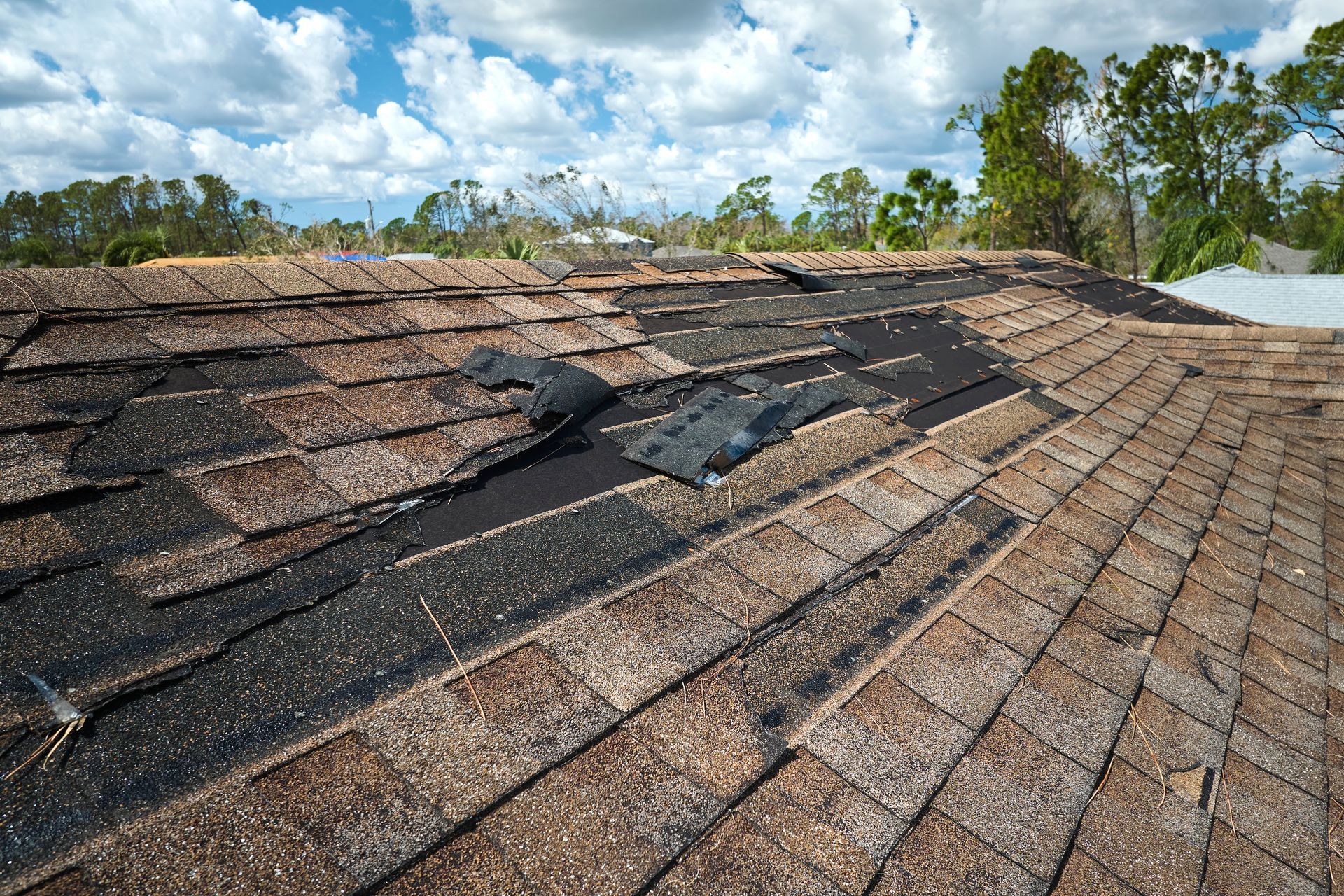
The adjuster's inspection is a different exercise than your contractor's inspection, even though both people may be standing on the same roof. The adjuster is evaluating the claim on behalf of the insurer: what's covered, what caused it, and what the payout should be. Your contractor is scoping the physical work: what's damaged and what it costs to fix correctly.
It's normal, not adversarial, for your contractor to be present during the adjuster's visit. Two sets of trained eyes on the same roof, comparing notes on the same physical damage, tends to produce a more accurate outcome than either inspection alone.
When Estimates Don't Match
It's common for a contractor's estimate and an adjuster's estimate to land in different places, and that alone doesn't mean something has gone wrong. A few reasons this happens regularly:
- Line items get missed. A roof estimate involves dozens of components, and a first pass can miss things like ice and water shield, drip edge, or code-required upgrades.
- Estimating software differs. Many insurers price claims using standardized estimating software that references regional labor and material costs, which can diverge from a contractor's actual quoted price for your specific job.
- Code requirements weren't fully accounted for. If your jurisdiction requires certain underlayment or ventilation upgrades on a full tear-off, those costs belong in the estimate whether or not the original scope included them.
When a legitimate gap exists between what's needed and what's been approved, your contractor can submit a supplemental claim, essentially a request for the insurer to reconsider specific line items with supporting documentation. This is a normal part of the process, not a sign of a broken claim.
If You Disagree: Appraisal and Dispute Options
Most homeowners' policies include an appraisal clause for exactly this situation: a disagreement over the value or scope of a covered loss that the homeowner and insurer can't resolve directly. Each side selects its own appraiser, the two appraisers select a neutral umpire, and a majority decision between the three is generally binding.
In Minnesota, courts have held that disputes over whether observed damage is actually storm-caused, as opposed to a pre-existing condition, are the kind of question appraisal is meant to resolve.
This is genuinely a decision point where policy language and legal specifics matter, and it's outside what a contractor can advise you on. If you're at this stage, your policy documents and, if needed, an attorney or licensed public adjuster are the right next call, not your roofing contractor.
Staying in Your Lane vs. Theirs
The same boundary we talked about in Part 2 still applies here, just later in the process. Once a claim is active, the construction questions are still ours to answer: what's damaged, what it costs to repair correctly, and whether an estimate reflects the actual scope of work.
The insurance questions, coverage interpretation, how a specific policy responds, deductible application, and dispute strategy, belong with your carrier, your agent, or a licensed professional in that field. We'll tell you plainly when a question has crossed into that territory rather than guess at an answer.
What We Recommend
- Have your contractor present for the adjuster's inspection whenever possible.
- Expect some difference between a contractor estimate and an adjuster estimate; ask specifically which line items differ before assuming either side is wrong.
- Keep a simple written record of calls and correspondence with your insurer, including dates and names.
- If a legitimate gap in scope remains after a first estimate, ask your contractor about a supplemental claim before escalating further.
- If you reach a genuine impasse, review your policy's appraisal language and consider consulting an attorney or licensed public adjuster rather than negotiating scope disputes alone.
FAQ: Working With Your Insurance Adjuster
In Minnesota, insurers must acknowledge your claim within 10 business days under the state's Unfair Claims
Practices Act, and provide the forms and contact information needed to move the claim forward.
Do I have to use the contractor my insurance company recommends?
No. You have the right to choose your own licensed contractor for storm damage repairs. An insurer cannot
require you to use a specific vendor.
What is a supplemental claim?
A supplemental claim is a request to your insurer to reconsider or add specific line items after the initial
estimate, typically submitted with photos or documentation supporting the additional scope. It's a normal,
common step, not a dispute escalation.
What if my contractor and the adjuster can't agree on scope?
Most policies include an appraisal process for genuine disagreements over the value or scope of a covered loss.
That process involves your policy's specific language, so it's worth reviewing your policy directly or consulting an
attorney if you reach that point.
Summary: What Minnesota Homeowners Should Remember
- Filing a claim starts a defined process with its own steps, not an open-ended wait.
- Minnesota law requires insurers to acknowledge claims within 10 business days.
- Differences between a contractor estimate and an adjuster estimate are common and usually resolvable through documentation, not dispute.
- Genuine disagreements over scope or value are handled through your policy's appraisal process, a question for your policy and, if needed, an attorney, not your contractor.
- The construction versus insurance boundary from Part 2 still applies once a claim is active.
Documentation First. Decisions Second.
At Twin City Roofing Construction Specialists, we see our role in an active claim the same way we see it before one starts: document the physical condition accurately, explain the reasoning behind our estimate clearly, and stay in our lane when a question belongs to your insurer instead of us.
Minnesota Storm Recovery Guide
What Happens During a Storm Damage Inspection? A Look Inside Our Protocol
Should I File a Claim for Roof Damage? A Minnesota Homeowner's Decision Guide
Minnesota Hail Damage Claims: When Does the Insurance Timeline Start?
How to Vet a Contractor After a Storm, and What Happens Once You Hire One