
Why Ventilation and Insulation May Matter More Than Shingles in Minnesota Roofing
Across this series, we've talked about impact resistance: Class 4 shingles, the FORTIFIED standard, how Minnesota law treats each one. All of that matters. None of it is the whole story.
A storm-resistant shingle can still sit on a roof that ices over every winter, sweats moisture into the attic, or fails from the inside out years before its rated lifespan. In Minnesota, some of a roof's biggest threats aren't storms at all. They're heat, air, and moisture, and they're managed by ventilation and insulation, not the shingle.
Quick Takeaways
- Shingle and underlayment upgrades protect against impact. They don't address heat loss, moisture, or ice dams, three of the most common causes of Minnesota roof problems.
- The primary purpose of attic ventilation in a cold climate is to keep the roof deck cold enough to prevent ice dams, and to vent moisture that migrates up from the living space.
- Air sealing matters more than most homeowners realize. Leaks around recessed lighting, bath fans, chimneys, and attic hatches often cause more damage than an underventilated attic does on its own.
- Older homes and additions, common throughout the Twin Cities, are often harder to air seal, insulate, and ventilate properly, which is why the same upgrade can perform differently from one house to the next.
- A storm-resistant shingle installed over an unresolved ventilation or insulation issue is still vulnerable to the problem underneath it.
The Short Answer: Shingles Handle Impact. Ventilation and Insulation Handle Everything Else.
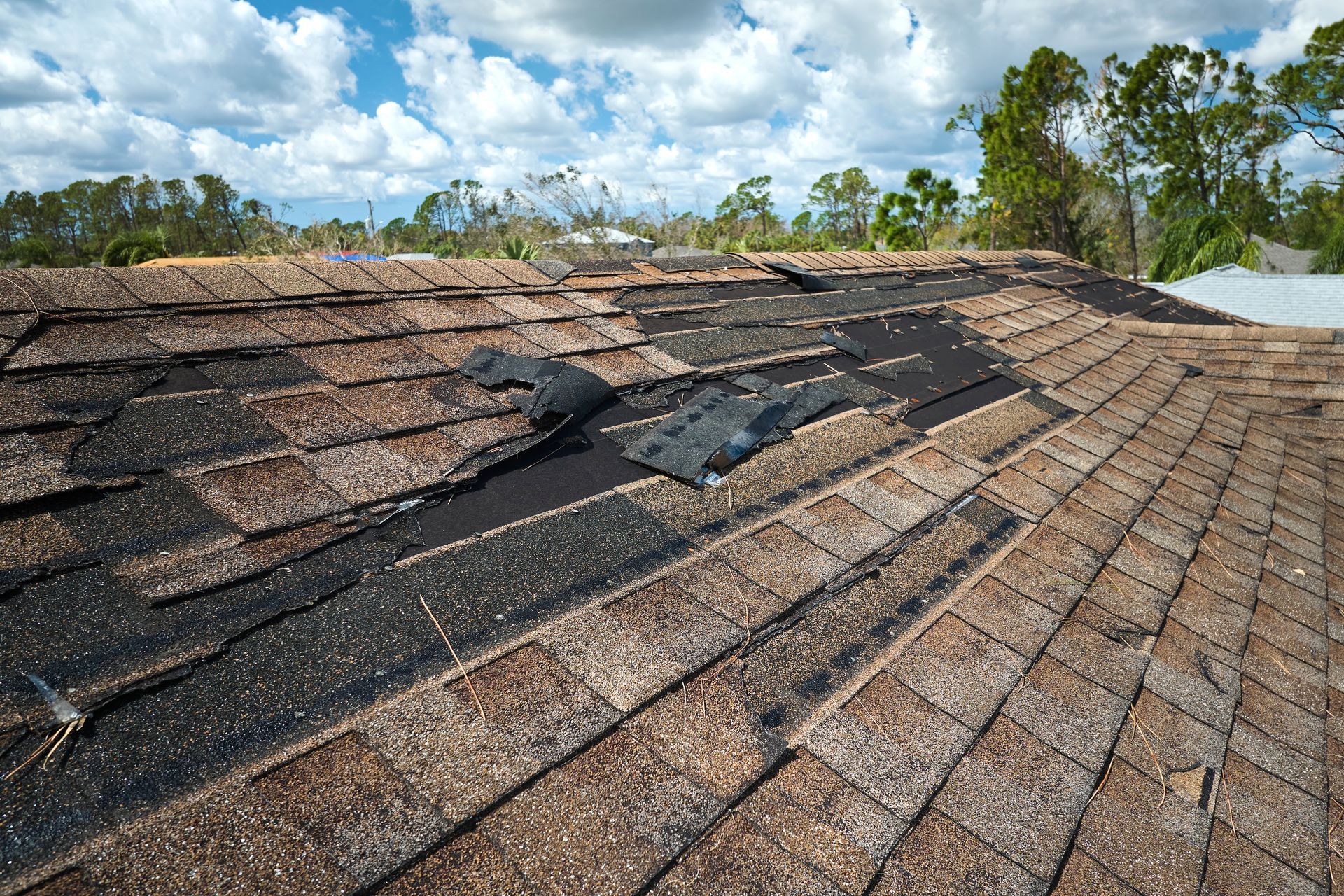
Class 4 shingles and FORTIFIED assemblies are tested and rated for their ability to withstand hail and wind. That's a real, measurable performance question, and we've spent most of this series on it.
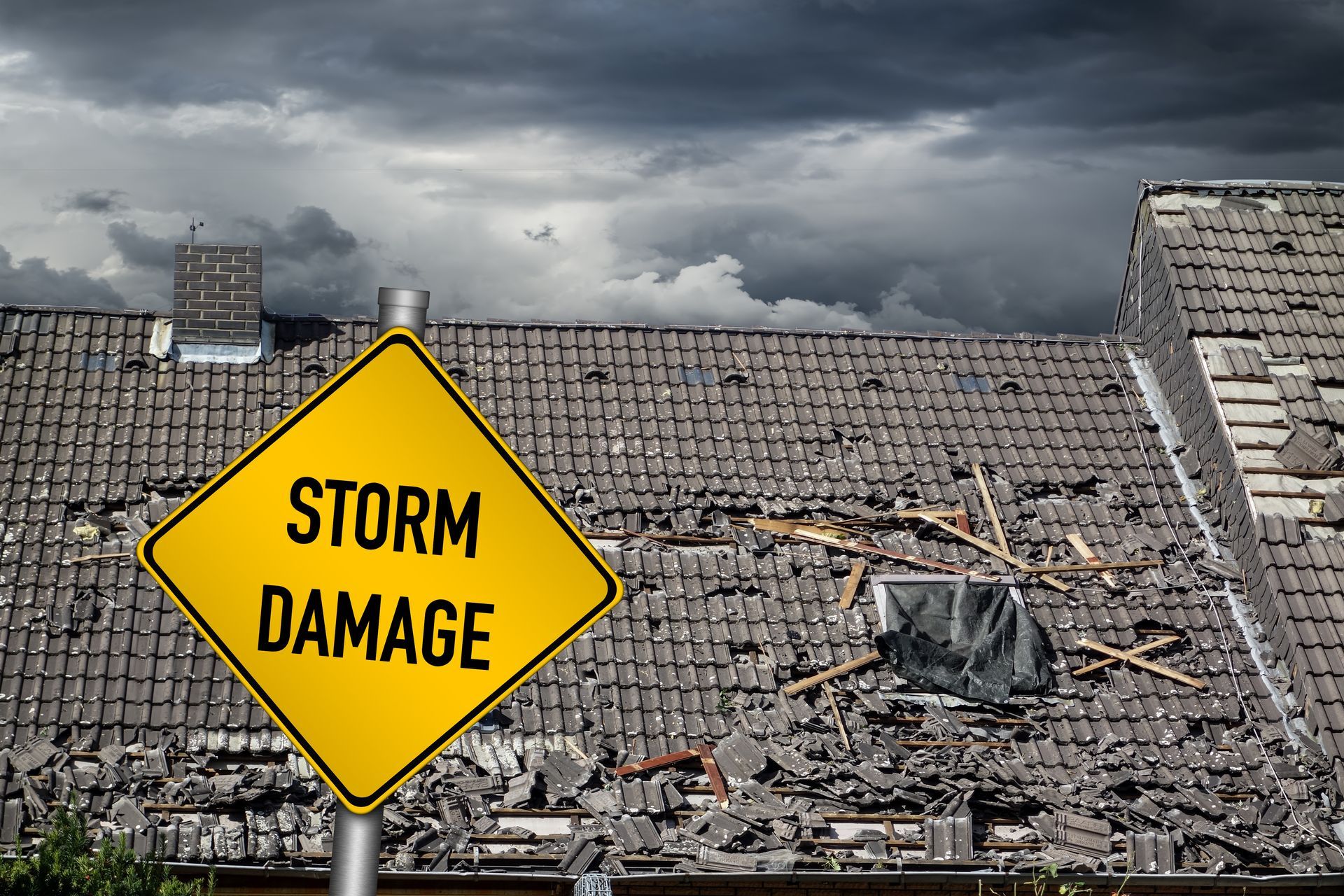
But a roof's enemies in Minnesota aren't limited to storms. Heat escaping from the living space, moisture migrating into the attic, and snow melting unevenly across the roof deck cause a huge share of the roofing failures we see, and none of those are things a shingle rating addresses.
What Attic Ventilation Actually Does in a Cold Climate
According to Building Science Corporation, the research and consulting firm founded by Dr. Joseph Lstiburek, a Ph.D. building scientist whom the Wall Street Journal has called “the dean of North American building science,” attic ventilation in cold climates exists for two specific reasons: keeping the roof deck cold enough to control ice dams from melting snow, and venting moisture that moves from the conditioned living space into the attic.
That's a narrower purpose than most homeowners assume. Ventilation isn't there to “keep the attic cool” in some general sense. It's there to manage two specific physical processes, and if either process is out of balance, more vents alone won't fix it.
Air Sealing Comes First
Building science research consistently points to the same sequence: seal the air leaks first, insulate thoroughly, then ventilate. Air sealing is the step most easily skipped during a standard reroof, and it's often the real source of the problem.
Common, easily overlooked leak points include recessed lighting, bathroom and kitchen exhaust fans that terminate inside the attic instead of outside the home, plumbing stacks, chimneys and flues, attic hatches, top plates, and knee walls in finished attic spaces. Warm, moist air escaping through any of these can undermine even a well-ventilated, well-insulated attic, because the air sealing layer is what the whole system depends on.
Why Older and Modified Homes Are Harder to Get Right
This is where a straightforward reroof, new shingles and new underlayment, can run into a wall on certain Minnesota homes.
Roofs with additions, dormers, multiple rooflines, or converted spaces are significantly harder to air seal, insulate, and ventilate as a continuous system. Many older homes throughout the Twin Cities also predate any deliberate ventilation strategy at all, since attic ventilation wasn't always designed the way current building science recommends.
On a home like that, installing synthetic underlayment and Class 4 shingles genuinely improves impact resistance. But it doesn't resolve an air sealing gap at a knee wall, or a bath fan quietly dumping moist air into the attic, or a roofline too complex to ventilate evenly. Those conditions predate the reroof, and they'll still be there afterward unless they're addressed directly.
The Counterintuitive Part: More Vents Isn't Always Better
One detail from Dr. Lstiburek's research surprises a lot of homeowners: a vented attic can sometimes make an ice dam worse, not better, depending on where the vents actually pull air from.
If a soffit vent draws in air that's been warmed by sitting against dark roofing or siding material rather than truly cold outside air, that warmed air moves into the attic and can contribute to the same snowmelt-and-refreeze cycle that creates ice dams in the first place. Ventilation has to be evaluated as a system, including where the intake air actually comes from, not just counted by the number of vents installed.
What 'Sealing the Deck' Actually Means, and Why It's Not Automatic
FORTIFIED's most significant physical change usually isn't the shingle. It's the sealed roof deck: a continuous water-resistant membrane across the entire deck, with sealed detailing carried out to the eaves and rakes, designed primarily to keep wind-driven rain out if shingles are lost in a storm.
That level of sealing doesn't only change how the roof handles storm water. It also changes how the roof assembly manages everyday air and moisture. A fully sealed deck moves a roof away from the vented, forgiving assembly most Minnesota homes were built with, toward something closer to the unvented assemblies Dr. Lstiburek's research addresses separately, and those require their own air sealing and insulation strategy to perform safely.
If a home doesn't already have a well air-sealed ceiling plane and adequate insulation, sealing the deck on top of that can trap interior moisture inside the roof assembly instead of letting it escape. Over time, that can lead to condensation, sheathing decay, or mold, the very problems this series has been about avoiding.
This is why we won't recommend a full FORTIFIED assembly on a home that isn't already set up for it without first addressing ceiling air sealing and insulation. Depending on the home, that additional scope is real work, and it can add somewhere in the range of $10,000 to $20,000 beyond the reroof itself. We're not telling you this to talk you out of FORTIFIED. We're telling you because you should know what you're actually buying, and what it depends on, before you commit to it.
What This Means for FORTIFIED and Class 4 Upgrades in Minnesota
None of this makes storm-resistant materials a bad investment. It means they answer one question, impact resistance, while ventilation, insulation, and air sealing answer a different one: whether the roof will hold up over years of Minnesota winters regardless of what any given storm does to it.
A genuinely resilient Minnesota roof addresses both. That's part of why we treat a reroof, especially on an older home or a roof with a complicated layout, as a chance to evaluate the whole system rather than a simple material swap.
What We Look At Before Recommending an Upgrade
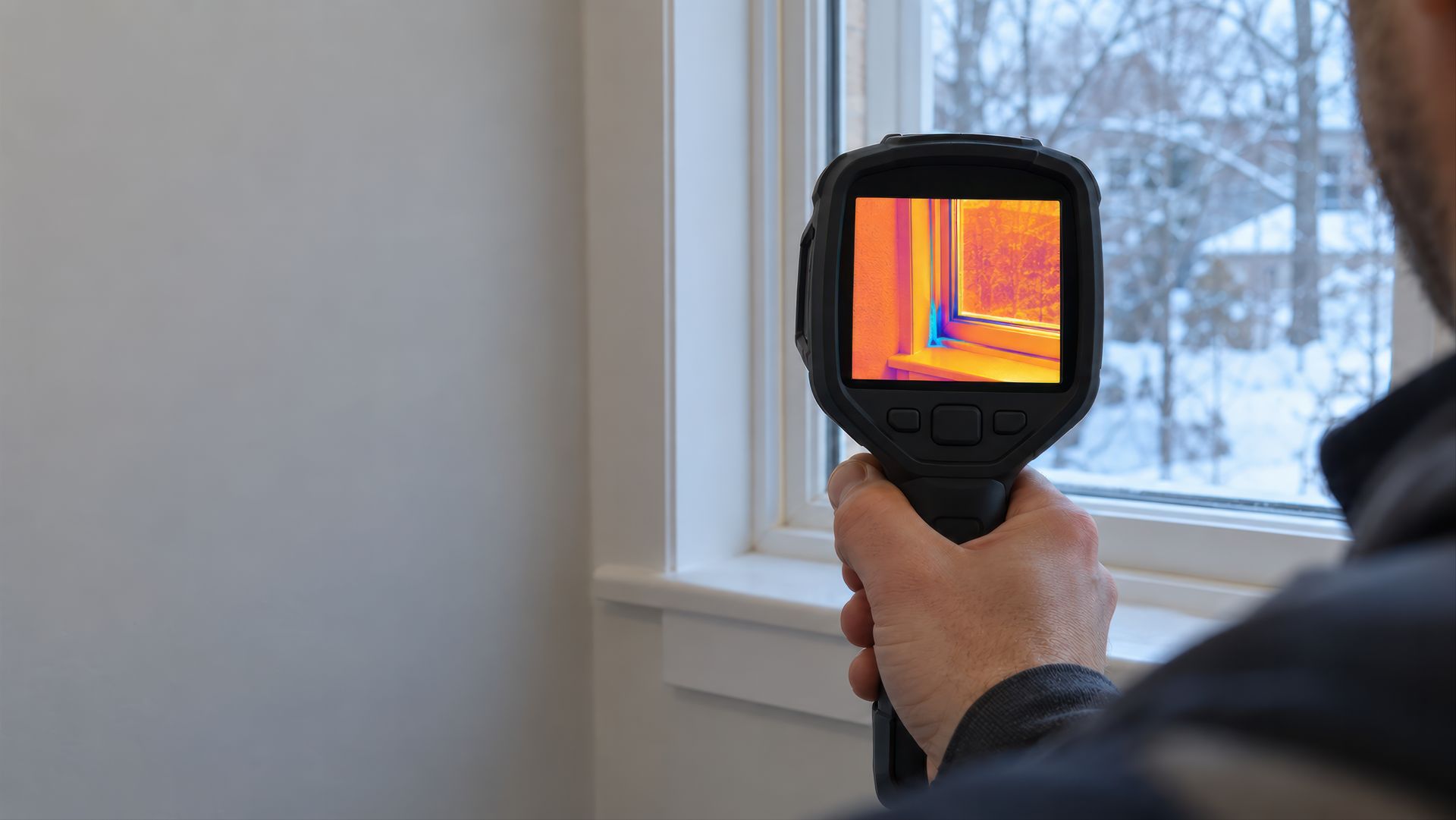
- Attic insulation depth and coverage, checked directly, not assumed from the home's age.
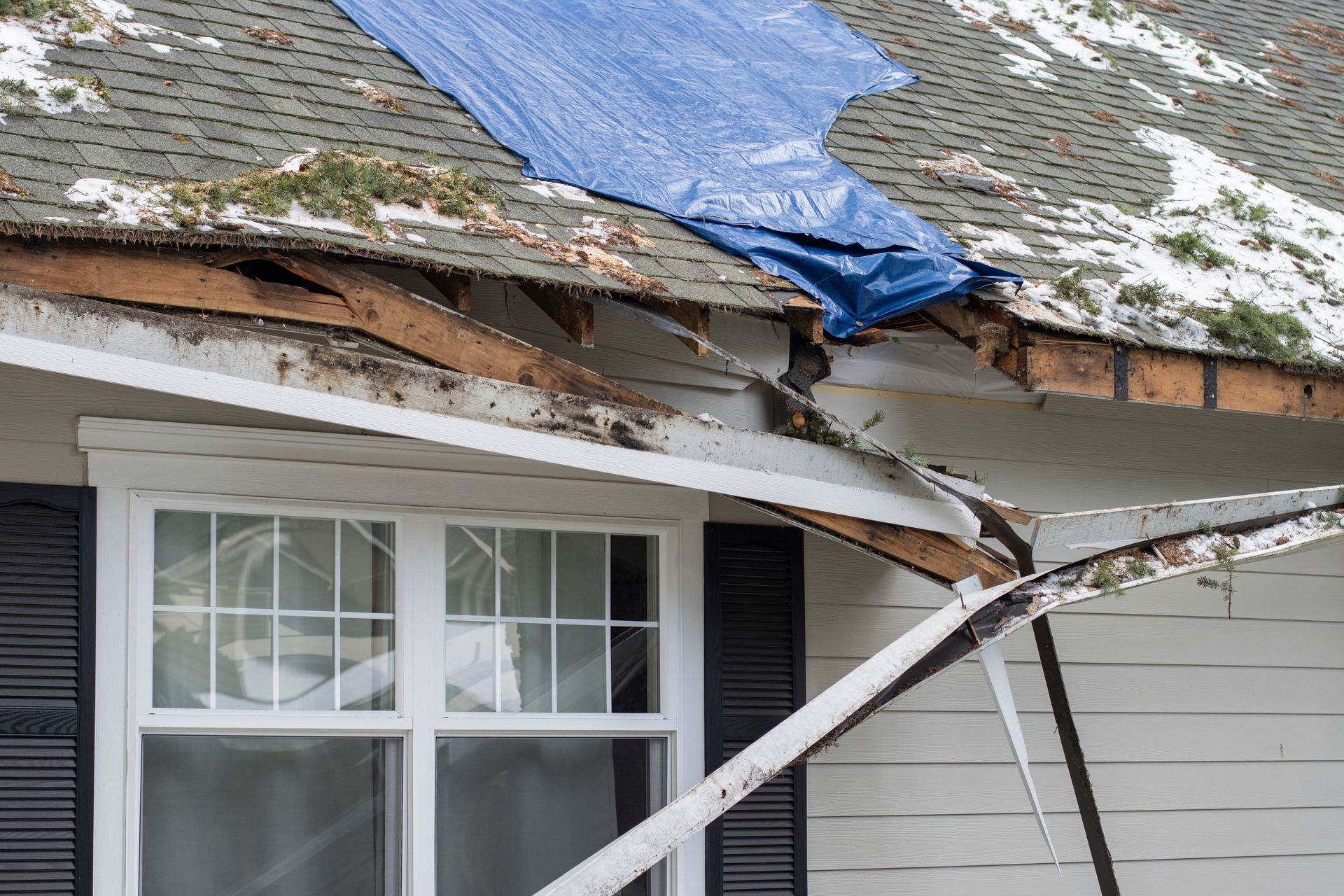
- Evidence of past ice damming, including interior staining or damaged soffits and gutters.
- Where bathroom and kitchen exhaust fans actually terminate, since attic dumping is more common than most homeowners expect.
- Soffit and ridge vent balance, and whether intake air is coming from a genuinely cold source.
- Roofline complexity, since additions, dormers, and multiple rooflines change what a ventilation strategy needs to accomplish.
- Whether the ceiling plane's air sealing and insulation meet the standard needed to safely support a fully sealed roof deck, before a FORTIFIED assembly is recommended.
The Bottom Line
Storm resistance and cold-climate building science aren't competing priorities, they're two different questions a Minnesota roof has to answer. Class 4 shingles and FORTIFIED assemblies handle the first one well. Ventilation, insulation, and air sealing handle the second, and on many Minnesota homes, especially older or architecturally complex ones, that second question is the one that actually determines how the roof performs over time.
Want a Full-System Evaluation?
If your home is older, has additions or dormers, or has a history of ice damming, a straightforward shingle upgrade may only be part of what your roof needs. We're happy to walk through the whole system with you before recommending anything.
Contact Twin City Roofing Construction Specialists
Serving homeowners, realtors, and insurance professionals throughout the Twin Cities metro and surrounding Minnesota communities.
Call us today: 651-636-9640
FORTIFIED Contractor ID: R012203